Drive Economically Every Day – Plan Your Driving with Care


Drive Economically Every Day – Plan Your Driving with Care
For most Americans, driving is part of daily life—commuting to work, running errands, or taking kids to school. But driving doesn’t have to drain your wallet. With a bit of planning and awareness, you can save money, reduce fuel consumption, and extend your car’s lifespan. Driving economically isn’t just about easing off the gas pedal—it’s about thinking through every aspect of your driving, from route planning to vehicle maintenance. Here’s how you can make your everyday driving smarter and more economical.
Plan Your Trips – Avoid Unnecessary Miles
One of the simplest ways to save fuel is to drive less. That doesn’t mean giving up your car, but rather using it more efficiently.
- Combine errands – Instead of making several short trips throughout the week, try to combine them into one longer trip. A cold engine uses much more fuel than a warm one.
- Choose your route wisely – Use navigation apps to find the most direct route, but also consider traffic and road conditions. Sometimes a slightly longer route with steady traffic flow is more fuel-efficient than one with frequent stops.
- Drive outside rush hours when possible. Stop-and-go traffic burns extra fuel and adds stress to your day.
By planning your trips, you can often cut down on both driving time and expenses—while enjoying a calmer driving experience.
Drive Smart – Small Changes, Big Impact
Your driving style has a major influence on how far you can go on a gallon of gas. Fuel-efficient driving is about making the most of your car’s momentum.
- Accelerate smoothly and avoid sudden starts. If you drive a manual, shift gears early to keep the engine at lower RPMs.
- Maintain a steady speed – Avoid unnecessary acceleration and braking. Use cruise control on highways when conditions allow.
- Obey speed limits – Higher speeds dramatically increase fuel consumption. Even a difference of 5–10 mph can make a noticeable impact.
- Turn off the engine if you’re stopped for more than a minute. Idling wastes fuel and money.
Many modern cars display real-time fuel economy. Use that information to adjust your driving habits and see immediate results.
Maintenance Pays Off
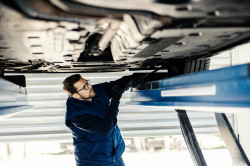
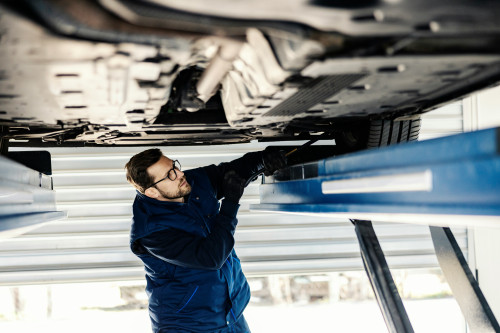
A well-maintained car runs more efficiently. Regular maintenance is an investment that quickly pays for itself.
- Check tire pressure regularly – Underinflated tires increase rolling resistance and fuel use. They also wear out faster.
- Change oil and filters according to the manufacturer’s schedule. A clean engine runs more efficiently and lasts longer.
- Lighten your load – Remove roof racks or cargo boxes when not in use, and don’t carry unnecessary weight in the trunk.
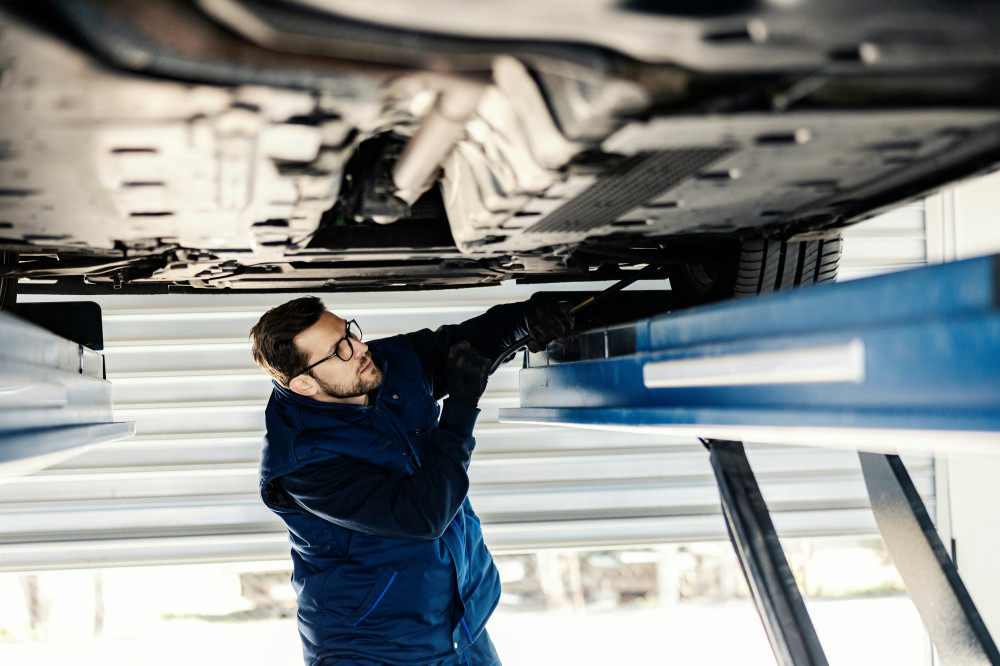
- Schedule regular service checks – Small issues, like a dirty air filter or misfiring spark plug, can quietly increase fuel consumption.
A well-cared-for car is not only cheaper to run but also safer and more enjoyable to drive.
Læs også:


Consider Alternatives – Mix and Match Transportation
While driving is often the most convenient option, it’s worth considering alternatives that can save money and reduce wear on your car.
- Carpool with coworkers or neighbors. Sharing rides can cut your commuting costs in half.
- Use a bike or public transit for short trips. It saves fuel, reduces parking hassles, and adds a bit of exercise to your day.
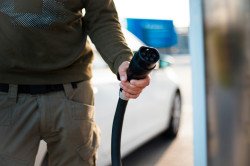
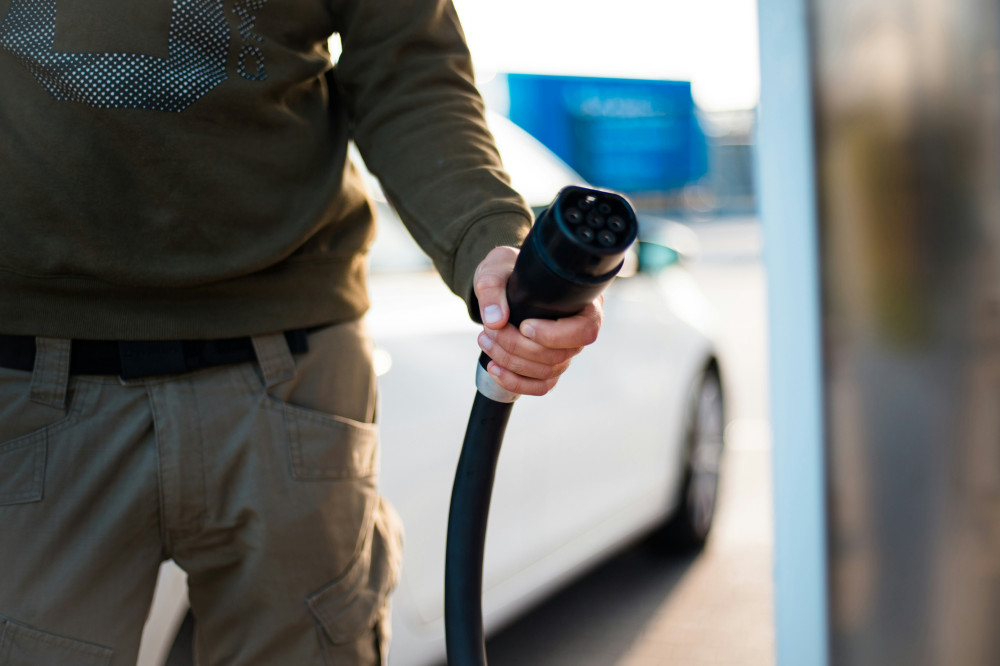
- Think about switching to a hybrid or electric vehicle if you’re planning to buy a new car. While the upfront cost may be higher, the long-term savings on fuel and maintenance can be significant—especially if you drive a lot.
Combining different modes of transportation gives you flexibility and helps reduce both expenses and environmental impact.
Think Long-Term – Economy and Environment Go Hand in Hand
Driving economically isn’t just about saving money today—it’s also about driving more sustainably. Lower fuel consumption means fewer emissions, and a well-maintained car lasts longer and performs better.
By planning your trips, driving thoughtfully, and taking care of your vehicle, you can make a real difference—for your budget, your car, and the environment. It doesn’t take big sacrifices, just small, mindful choices every day.
Læs også: