Ready for the Cold: How to Winterize Your Car with a Focus on Tires, Fluids, and Battery

Ready for the Cold: How to Winterize Your Car with a Focus on Tires, Fluids, and Battery
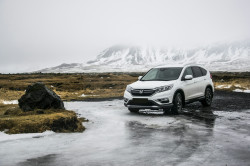
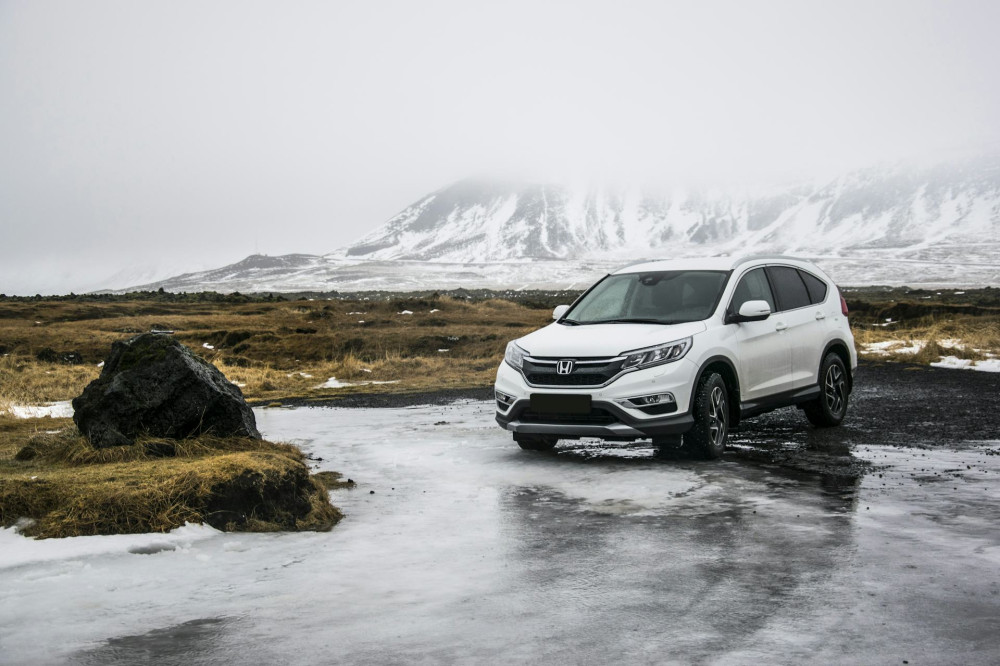
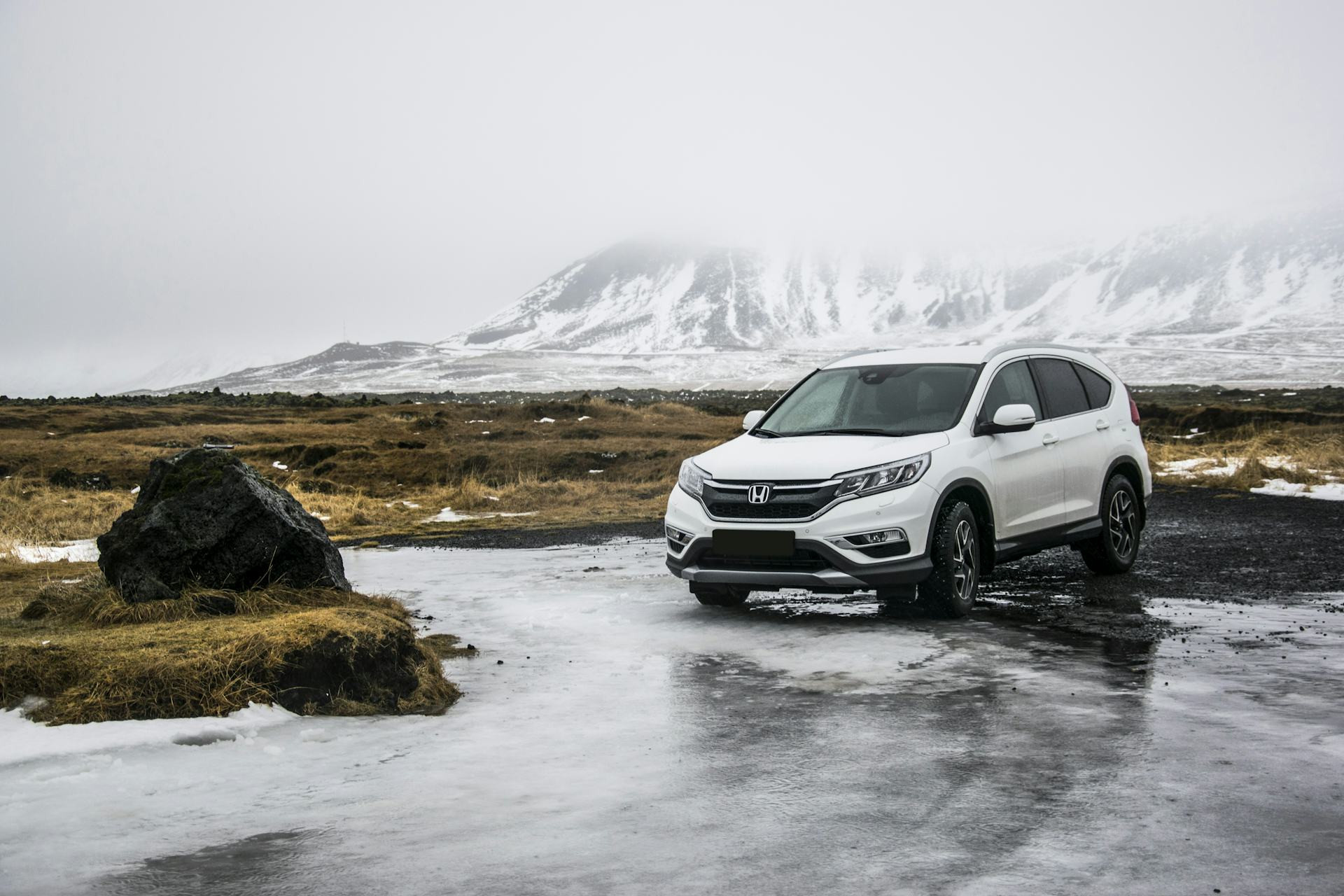
When the temperature drops and the first frost appears, it’s not just your wardrobe that needs an update—your car does too. Cold weather, snow, and road salt can take a toll on your vehicle’s performance and safety. Preparing your car for winter can help you avoid breakdowns, improve traction, and ensure peace of mind on icy roads. Here’s a practical guide to getting your car ready for the cold, with a special focus on tires, fluids, and the battery.
Tires – Your Grip on Winter Roads
Your tires are the only part of your car that touch the road, making them crucial for safety in winter conditions. Cold temperatures and slippery surfaces demand the right type of tire and proper maintenance.
- Switch to winter tires early. When temperatures consistently fall below 45°F, summer or all-season tires start to lose grip. Winter tires are made from softer rubber that stays flexible in the cold and have tread patterns designed to handle snow and slush.
- Check tread depth. For safe winter driving, your tires should have at least 6/32 inch of tread. Worn tires can’t channel snow and water effectively, increasing the risk of hydroplaning.
- Monitor tire pressure. Air pressure drops as temperatures fall—about 1 PSI for every 10°F decrease. Check your tire pressure monthly and inflate to the manufacturer’s recommended level for optimal traction and fuel efficiency.
- Consider all-weather tires. If you live in an area with mild winters and little snow, all-weather tires can be a convenient compromise. But in regions with heavy snow or ice, dedicated winter tires are still the safest choice.
Fluids – Small Details That Make a Big Difference
Cold weather affects the performance of your car’s fluids, and neglecting them can lead to costly damage or safety issues.
- Coolant (antifreeze): Make sure your coolant mixture is correct—typically a 50/50 blend of antifreeze and water. Too much water can cause the fluid to freeze and damage your engine. You can test the freeze point with an inexpensive tester from an auto parts store.
- Windshield washer fluid: Use a winter-grade washer fluid that won’t freeze in low temperatures. Summer blends can solidify in the reservoir or lines, leaving you without visibility when you need it most. Keep an extra jug in your trunk.
- Engine oil: Some oils thicken in cold weather, making it harder for your engine to start. Check your owner’s manual for the recommended oil viscosity for winter driving—many vehicles benefit from a lower-viscosity oil in cold climates.
- Brake fluid: While not directly affected by temperature, brake fluid absorbs moisture over time, which can reduce braking performance. If it’s been more than two years since your last brake fluid change, have it checked before winter.
Battery – The Heart of Your Car in Cold Weather
A weak battery is one of the most common causes of winter breakdowns. Cold temperatures reduce a battery’s capacity while increasing the power needed to start your engine.
- Have your battery tested. Many auto parts stores and service centers offer free battery checks. If your battery is more than four years old, consider replacing it before winter.
- Keep terminals clean. Corrosion on the battery terminals can prevent proper charging. Clean them with a wire brush and apply a small amount of dielectric grease to prevent buildup.
- Drive longer trips. Short drives in cold weather don’t give your alternator enough time to recharge the battery. Take a longer drive occasionally to keep it healthy.
- Use a trickle charger. If your car sits unused for long periods, a battery maintainer can keep it charged and ready to go.
Læs også:


Extra Winter Tips
Beyond tires, fluids, and the battery, a few additional steps can make winter driving safer and more comfortable:
- Inspect wiper blades. Replace them if they’re streaking or skipping. Winter wiper blades are designed to handle ice and snow buildup.
- Lubricate locks and door seals. Use silicone spray to prevent doors from freezing shut.
- Pack an emergency kit. Include an ice scraper, snow brush, jumper cables, flashlight, blanket, and some non-perishable snacks. If you live in a snowy area, add a small shovel and traction mats.
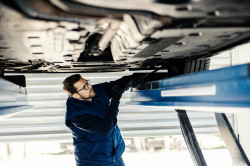
- Wash your car regularly. Road salt can corrode paint and undercarriage components. Regular washes, including the underbody, help protect against rust.
A Winter-Ready Car Means Peace of Mind
Winterizing your car isn’t just about comfort—it’s about safety and reliability. With the right tires, properly maintained fluids, and a strong battery, you’ll be ready to face whatever winter throws your way. A little preparation now can save you from big headaches later—and keep you confident on the road when the snow starts to fall.
Læs også: