Games and Emotions: Learn to Manage Excitement, Boredom, and Stress

Games and Emotions: Learn to Manage Excitement, Boredom, and Stress
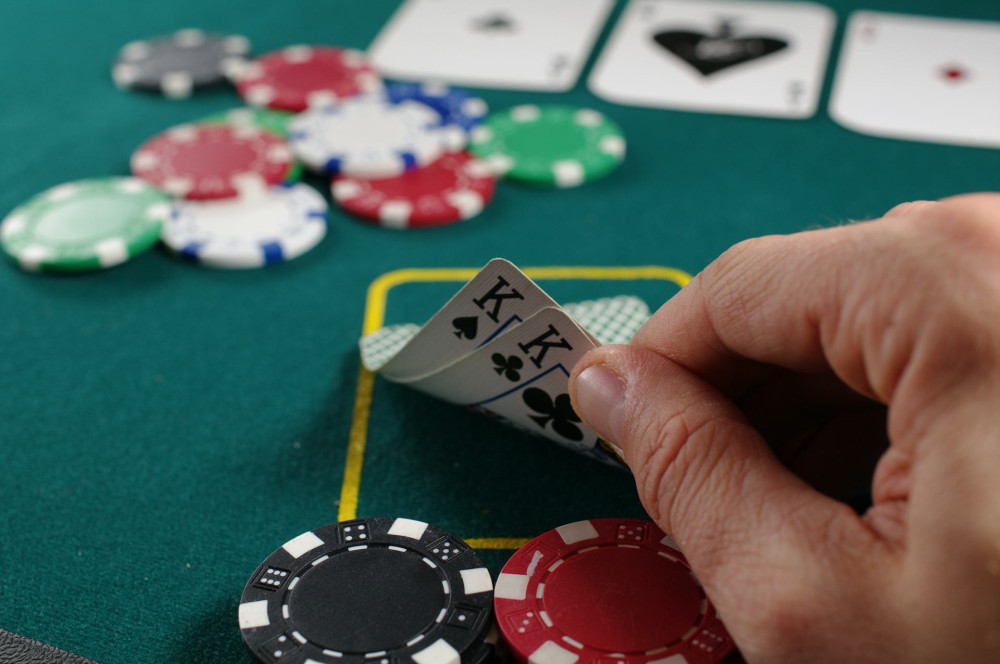
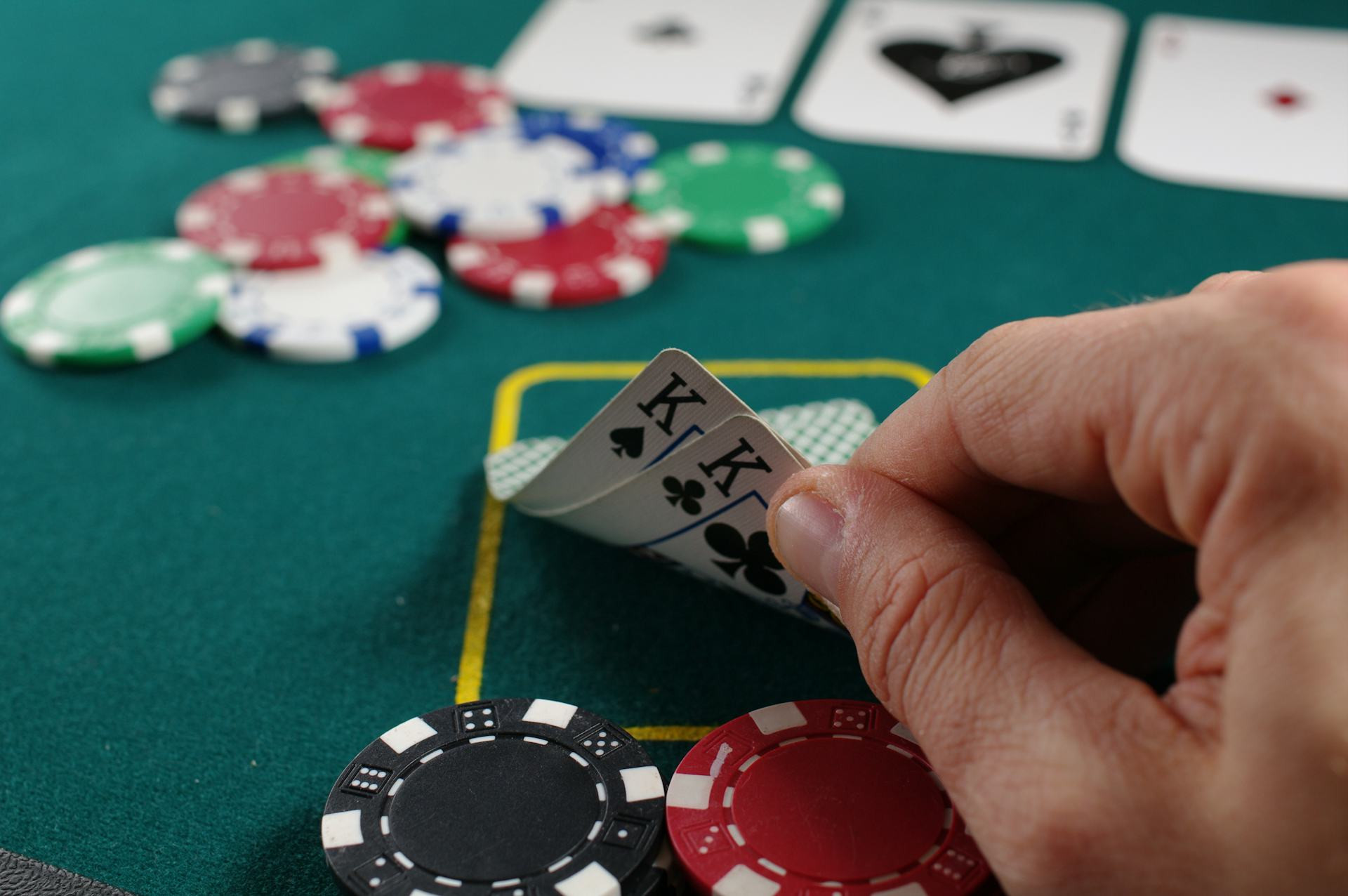
Playing games—whether it’s video games, poker, fantasy sports, or mobile apps—isn’t just about skill or luck. It’s also about emotions. Excitement, boredom, and stress are all part of the gaming experience, and they can influence how we play and how we feel. Learning to recognize and manage these emotions can help you stay in control and keep gaming fun.
Here’s how you can become more aware of your emotional responses and use them to your advantage—whether you’re winning big or facing a tough loss.
Excitement – The Thrill and the Trap
Excitement is one of the main reasons people play games. That rush of anticipation when you’re about to level up, score a win, or open a loot box can be incredibly satisfying. But when excitement turns into overexcitement, it can cloud your judgment. Fast heartbeats and adrenaline can make you act impulsively—spending more time or money than you planned.
To keep excitement in check, try to:
- Set clear limits on how long you’ll play or how much you’ll spend before you start.
- Take short breaks when you feel your emotions running high.
- Breathe deeply and remind yourself that outcomes are often beyond your control.
Excitement should enhance your experience, not take over it. When you manage it well, it becomes a source of joy rather than stress.
Boredom – When Gaming Becomes an Escape
Many people turn to games to unwind after a long day. That’s perfectly fine—games can be a great way to relax. But if gaming becomes your only way to deal with boredom, it can start to feel more like a habit than a hobby.
Ask yourself why you’re playing. Is it because you’re genuinely interested, or just because you don’t know what else to do? If it’s the latter, try mixing things up.
- Combine gaming with other activities, like exercise, music, or spending time with friends.
- Schedule gaming sessions instead of playing automatically.
- Treat gaming as a conscious choice, not a default response to boredom.
When you play because you want to—not because you have nothing else to do—you’ll enjoy it more and feel more balanced.
Læs også:



Stress – When the Game Feels Like Pressure
Games are often seen as a way to relax, but they can also cause stress. Maybe you feel pressure to perform well, to win, or to keep up with others online. Or maybe you lose track of time and end up feeling drained. Stress can show up as frustration, irritability, or fatigue—signals that it’s time to step back.
To reduce gaming-related stress:
- Play in a calm environment where you can focus without distractions.
- Accept losses as part of the game—no one wins every time.
- Set realistic expectations for yourself and your performance.
If stress keeps building, take a longer break or talk to someone about it. Gaming should be enjoyable, not exhausting.
Recognize Your Emotional Patterns
A key part of managing emotions in gaming is understanding your own patterns. When do you get most excited? When do you lose patience? When do you play to escape something else?
Try keeping a short journal of your gaming sessions—not to analyze every move, but to notice trends. You might discover when you play your best or when you’re more likely to get frustrated. That awareness can help you make better choices and enjoy gaming more fully.
Knowing yourself as a player is a strength. It helps you stay calm, confident, and in control.
Play Mindfully – and Enjoy the Experience
Games can bring joy, connection, and excitement when played with awareness. By paying attention to your emotions and taking responsibility for your habits, you can keep gaming healthy and rewarding.
Remember, it’s completely normal to feel excitement, boredom, and stress—they’re part of being human. What matters most is how you handle them.
When you play with balance and mindfulness, gaming becomes more than just a pastime—it becomes an experience you can truly enjoy.
Læs også: