When Theory Meets Reality: Why Probability Feels Different When You Play

Why our minds bend the rules of chance when the stakes feel real
Odds
Odds
5 min
We all know that games of chance are governed by probability, yet our emotions often tell a different story. Discover how psychology, perception, and bias shape the way we experience luck, risk, and randomness when theory meets the thrill of play.
Kyla Roberts
Kyla
Roberts

When Theory Meets Reality: Why Probability Feels Different When You Play

Why our minds bend the rules of chance when the stakes feel real
Odds
Odds
5 min
We all know that games of chance are governed by probability, yet our emotions often tell a different story. Discover how psychology, perception, and bias shape the way we experience luck, risk, and randomness when theory meets the thrill of play.
Kyla Roberts
Kyla
Roberts

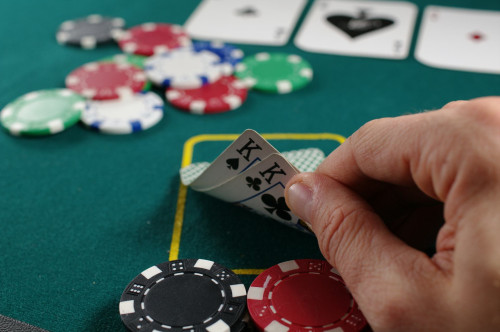
When you play—whether it’s poker, roulette, or an online slot—you probably know that the outcome is random. Yet it often feels as if you’re “due” for a win, or that you can sense when your luck is about to change. That feeling is a classic example of how our experience of probability differs from the mathematical reality. In this article, we’ll explore why the human brain sometimes plays along—and sometimes against us—when we play games of chance.

Probability on Paper vs. in Practice

In theory, probability is simple math. A coin has a 50% chance of landing heads and 50% tails. A die has one chance in six to show a particular number. But when we play, it rarely feels that straightforward. We see patterns, rhythms, and streaks of luck, even though each flip, roll, or spin is independent of the last.

That’s because our brains are wired to find patterns—a skill that helped our ancestors survive by predicting danger and opportunity. In games, however, that same instinct can lead us astray.

The Gambler’s Fallacy: When We Think Luck Has to Turn

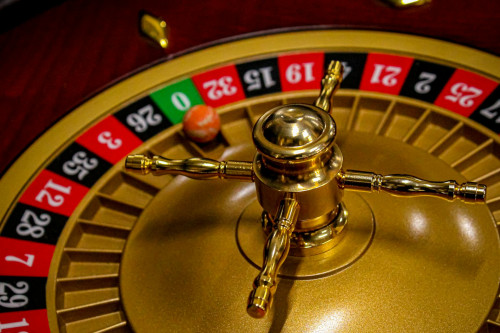
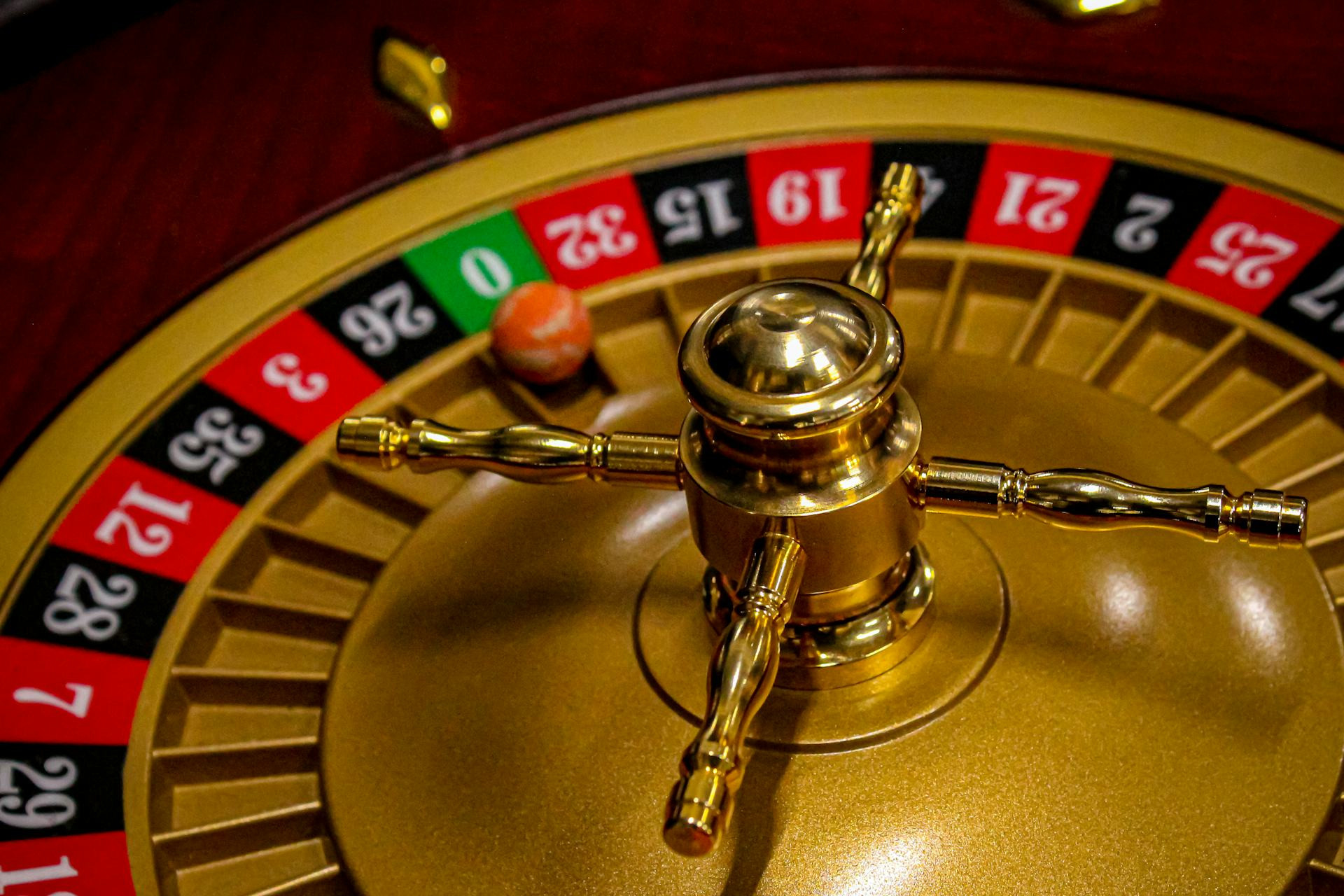
One of the best-known ideas in gambling psychology is the gambler’s fallacy. It’s the belief that if something happens repeatedly, the opposite outcome must be “due.” If the roulette wheel lands on black five times in a row, it feels almost certain that red is next. But in reality, the odds are exactly the same every spin.

This fallacy happens because we intuitively expect randomness to “even out” in the short term. Mathematics tells us that balance only appears over thousands of trials—not over the course of one evening at the casino.

The Psychology of the Near Miss

Another powerful effect that shapes how we experience probability is the near miss. When the reels on a slot machine stop just one symbol away from the jackpot, it feels like you were close to winning—even though your odds haven’t changed. The brain reacts to a near miss almost the same way it reacts to a real win: it releases dopamine, the chemical linked to excitement and motivation.

That’s one reason games of chance can feel so compelling. We experience that “almost had it” moment, and it drives us to keep playing—even when the math hasn’t shifted in our favor.

The Illusion of Control

Many players also feel they can influence the outcome through their choices or timing—pressing the button at just the right moment, picking certain numbers, or using a “lucky” ritual. This illusion of control gives a sense of agency, even when the game is governed entirely by chance or algorithms.

Research shows that this illusion can make games more engaging and enjoyable, but it can also lead people to play longer than they intended. Knowing the difference between strategy and randomness—and remembering that luck can’t be managed—is key to keeping play in perspective.

When Emotion Overrides Reason

Probability isn’t just about numbers; it’s also about emotion. After a loss, you might feel the urge to “win it back.” After a win, you might feel unstoppable. Both reactions can lead to decisions that aren’t rational. The brain’s reward system responds to gambling much like it does to other forms of excitement—with dopamine and anticipation—which can make it hard to stick to the mathematical reality.

Understanding how emotions shape our sense of probability is an important part of playing responsibly.

The Theory Holds—But the Experience Deceives

Mathematically, the odds don’t change no matter how many times you play. But in practice, it feels different because our brains are constantly trying to make sense of randomness. That tension between theory and experience is what makes games of chance both fascinating and challenging.

By understanding the psychological forces at play, you can better recognize why you feel the way you do—and maybe keep a clearer head the next time you’re holding your cards or watching the wheel spin.

When Theory Meets Reality: Why Probability Feels Different When You Play
Why our minds bend the rules of chance when the stakes feel real
Odds
Odds
Probability
Psychology
Gambling
Decision Making
Human Behavior
5 min
We all know that games of chance are governed by probability, yet our emotions often tell a different story. Discover how psychology, perception, and bias shape the way we experience luck, risk, and randomness when theory meets the thrill of play.
Kyla Roberts
Kyla
Roberts
Patterns in Sports Results – When Do We Overinterpret?
Why our minds see winning streaks and hidden meanings in sports results
Odds
Odds
Sports Psychology
Statistics
Data Analysis
Cognitive Bias
Sports Culture
7 min
From “hot hands” to “momentum,” fans and analysts love to find patterns in sports. But are these streaks real or just coincidences that our brains turn into stories? Explore how psychology and statistics collide when we interpret the unpredictable world of sports.
Ethan Murray
Ethan
Murray
Games and Emotions: Learn to Manage Excitement, Boredom, and Stress
Discover how understanding your emotions can make gaming more enjoyable and balanced
Odds
Odds
Gaming
Emotions
Mindfulness
Stress Management
Player Wellbeing
2 min
Games can trigger excitement, boredom, and stress—but learning to manage these emotions can transform how you play. Explore practical ways to stay mindful, keep control, and make every gaming session a positive experience.
Weston Thomas
Weston
Thomas
The Social Side of Gaming: How Company and Mood Influence Your Game Choices
Discover how your mood and the people around you shape the way you play
Odds
Odds
Gaming Behavior
Social Interaction
Psychology
Mood
Player Experience
5 min
Gaming is more than just competition or entertainment—it’s a social experience influenced by emotions, company, and atmosphere. Learn how your mood and the people you play with can affect your game choices, strategies, and overall enjoyment.
Sarah Clark
Sarah
Clark
Keep Gaming Healthy – Build Good Habits and Preserve the Fun
Enjoy gaming responsibly by finding balance, setting limits, and keeping the fun alive
Odds
Odds
Responsible Gaming
Healthy Habits
Online Entertainment
Balance
Lifestyle
7 min
Gaming should be exciting, social, and entertaining—but it’s important to keep it in balance. Learn how to build healthy gaming habits, use helpful tools, and stay in control so the fun never fades.
Giovanni Parker
Giovanni
Parker
Taxes in Practice: How to Fund the Public Good
Understanding how taxes shape communities and sustain essential public services
Money
Money
Taxes
Public Finance
Government
Economy
Civic Responsibility
6 min
Discover how the U.S. tax system works in practice—from collection to allocation—and why taxes are crucial for funding education, healthcare, infrastructure, and public safety. Learn how fair taxation supports the common good and strengthens society as a whole.
Kyla Roberts
Kyla
Roberts
Debt-Free and Motivated – How to Keep Up the Good Habit
Stay financially strong and motivated long after paying off your last debt
Money
Money
Personal Finance
Debt-Free Living
Motivation
Financial Planning
Money Management
7 min
Becoming debt-free is a huge accomplishment — but maintaining that freedom takes focus and intention. Discover practical ways to keep your good money habits, set new goals, and enjoy the confidence that comes with lasting financial independence.
Ethan Murray
Ethan
Murray
How Much Home Can You Afford? How to Assess It Realistically
Turn your homeownership dream into a plan that fits your finances
Money
Money
Home Buying
Personal Finance
Budgeting
Real Estate
Financial Planning
4 min
Before you start house hunting, make sure you know what you can truly afford. This guide walks you through how to assess your budget, understand the real costs of owning a home, and make confident decisions that support your long-term financial goals.
Weston Thomas
Weston
Thomas