Before Construction Begins: Prepare Your Home and Surroundings Thoroughly

Before Construction Begins: Prepare Your Home and Surroundings Thoroughly
A construction project—whether it’s a remodel, an addition, or a brand-new build—starts long before the first contractor arrives. Careful preparation can save you time, money, and stress once the work begins. No matter the size of your project, it’s essential to get your home, property, and logistics in order. Here’s a guide to help you prepare before construction kicks off.
Get a Clear Overview of the Project
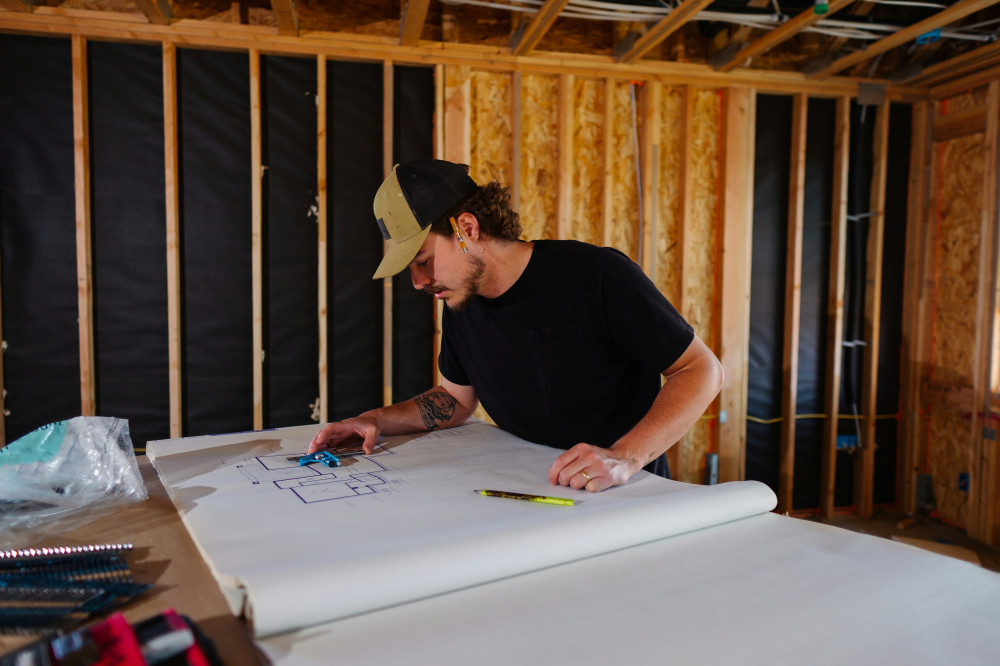
Before any work begins, make sure you have a solid understanding of what the project involves. Create a detailed plan that outlines the scope, timeline, and budget. It’s helpful to keep a project binder with drawings, permits, contracts, and contact information for your contractors and suppliers.
- Set a realistic timeline – construction often takes longer than expected. Build in extra time for delays.
- Create a budget with a cushion – unexpected costs are almost inevitable. A 10–15% contingency is a good rule of thumb.
- Clarify roles and responsibilities – decide who will handle communication, purchasing, and coordination with contractors.
A clear overview from the start makes it easier to make decisions and avoid misunderstandings later.
Secure the Necessary Permits
Before construction begins, ensure that all required permits are in place. This is especially important for additions, major remodels, and new builds. Your local building department can guide you through the process and explain zoning and code requirements.
Check for:
- Building permits – required for most structural or major renovation projects.
- Zoning and setback regulations – these determine how close you can build to property lines and what types of structures are allowed.
- Homeowners association (HOA) approval – if applicable, your HOA may have design or material restrictions.
Consider consulting an architect or contractor familiar with local codes to help prepare the necessary documents.
Prepare Your Home for Contractors
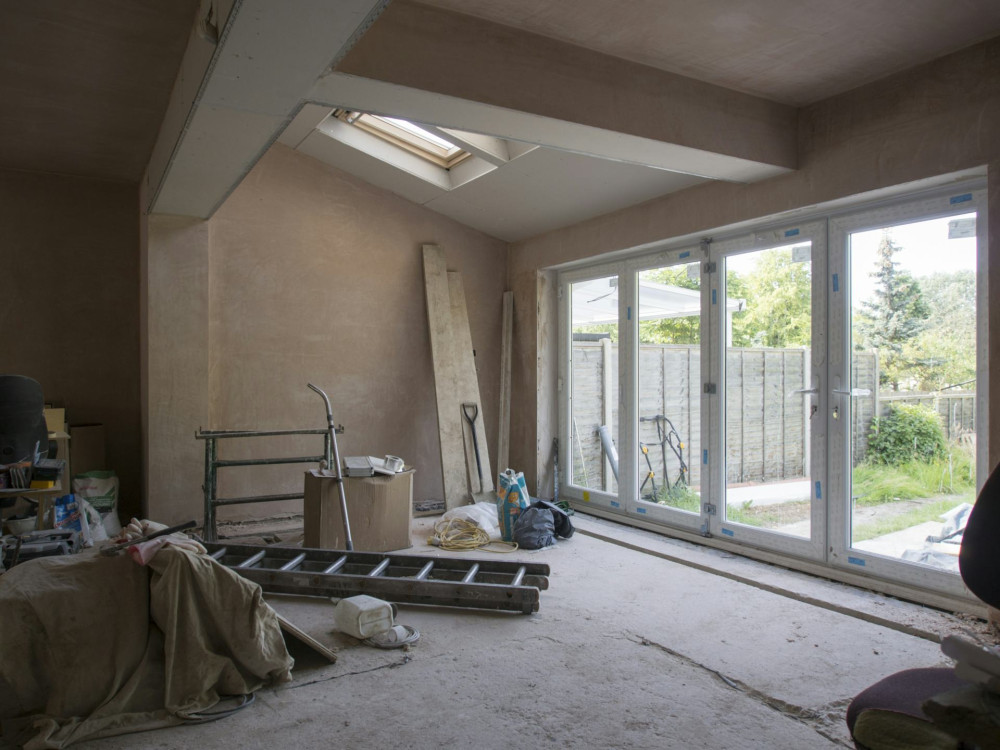
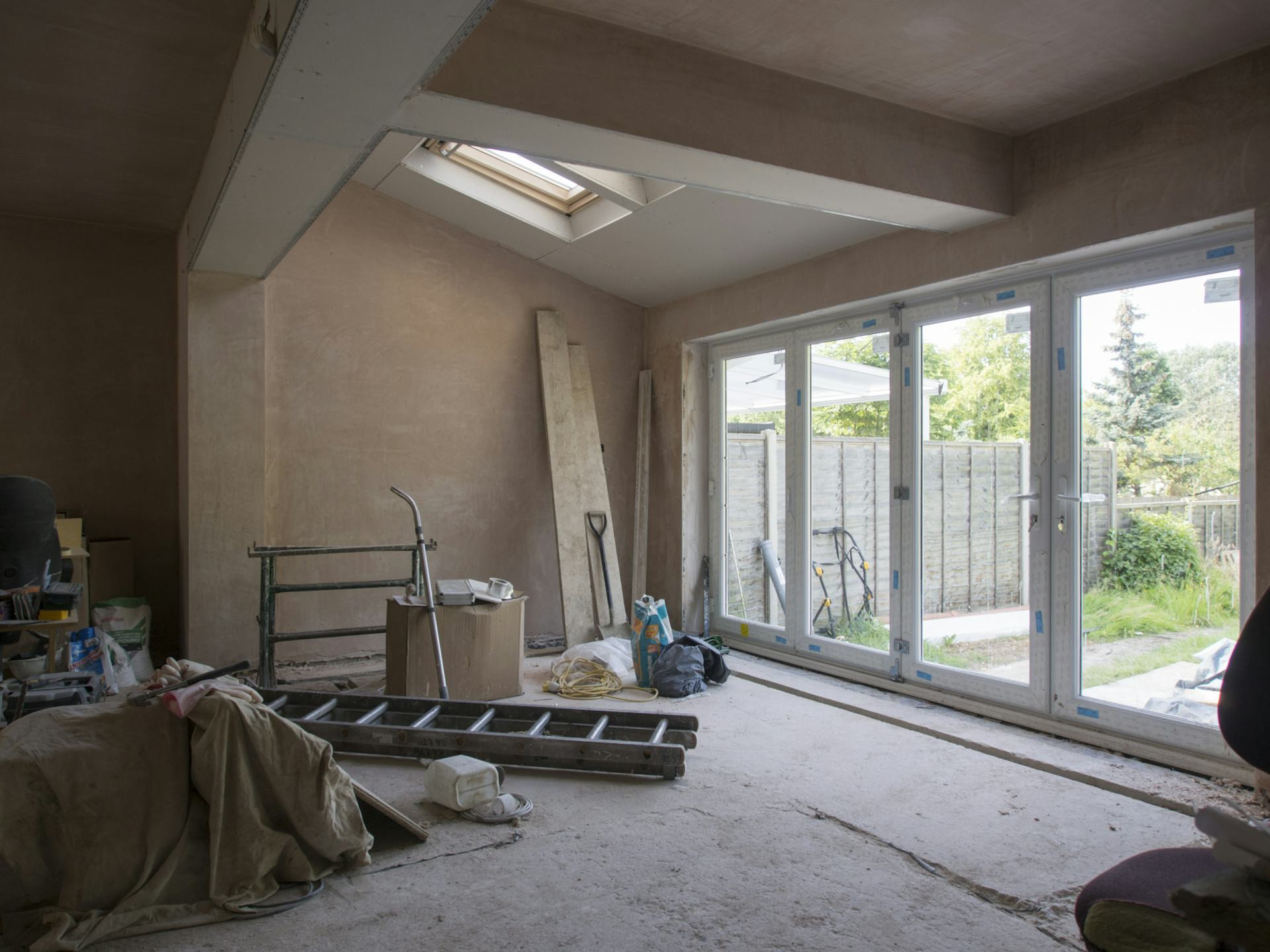
Once construction starts, your home will quickly turn into a work zone. To protect your belongings and make the job easier for the crew, prepare your home thoroughly.
- Clear the area – remove furniture, rugs, and personal items from the work zone.
- Cover and protect – use plastic sheeting and floor protection to guard against dust and damage.
- Ensure access – contractors need clear paths for materials and equipment. You may need to create temporary access routes.
- Think about safety – keep children and pets away from the construction area.
A well-organized workspace helps the crew work efficiently and reduces the risk of accidents.
Prepare the Outdoor Area
Construction affects not only your home but also your yard and surroundings. Heavy equipment, materials, and debris all need space, so plan the logistics ahead of time.
- Designate storage and waste areas – decide where materials and dumpsters will go to avoid blocking driveways or damaging landscaping.
- Protect driveways and walkways – use plywood or mats if heavy vehicles will be driving over them.
- Check drainage – make sure rainwater can still flow away from the house during construction.
- Inform your neighbors – noise and traffic can be disruptive, but a friendly heads-up goes a long way.
When the surroundings are well-prepared, the work proceeds more smoothly and with less impact on your property.
Læs også:
Plan for Temporary Living Arrangements
For larger projects, parts of your home may be unusable for a while—like the kitchen, bathroom, or bedrooms. Think ahead about how you’ll manage daily life during construction.
- Set up a temporary kitchen – a small table, microwave, and coffee maker can make life easier.
- Find alternative bathing options – use a guest bathroom, a friend’s home, or a nearby gym.
- Arrange storage – rent a storage unit if you need to move furniture or belongings out temporarily.
The better you plan for these inconveniences, the easier it will be to get through the construction period.
Keep an Eye on the Budget—Even After Completion
Even with a solid budget, changes can occur along the way. Track expenses regularly and get written approval for any additional work. When the project is complete, walk through the site with your contractor to ensure everything meets your expectations.
Also remember to:
- Update your insurance – both during and after construction.
- Keep documentation – save invoices, permits, and warranties for future reference.
- Plan for maintenance – new materials and finishes often require special care at first.
A careful wrap-up ensures you get the full value of your investment.
A Strong Start Leads to a Better Finish
A construction project can be both exciting and demanding, but with thorough preparation, the process becomes much more manageable. When you’ve planned carefully, secured permits, organized your home, and set realistic expectations, you can move into the building phase with confidence—and look forward to the results.
Læs også: