How to Compare Construction Bids Fairly and Transparently

How to Compare Construction Bids Fairly and Transparently
When you’re planning a construction project—whether it’s a kitchen remodel, a new deck, or a full home addition—it’s essential to compare contractor bids in a fair and transparent way. Many homeowners find that bids can be difficult to compare because they’re structured differently, use different terminology, or include different items. Here’s a guide to help you make sense of the numbers and choose the right contractor with confidence.
Start with a Clear and Consistent Scope
A fair comparison starts before you even request bids. The more clearly you define your project, the easier it will be for contractors to provide accurate and comparable estimates.
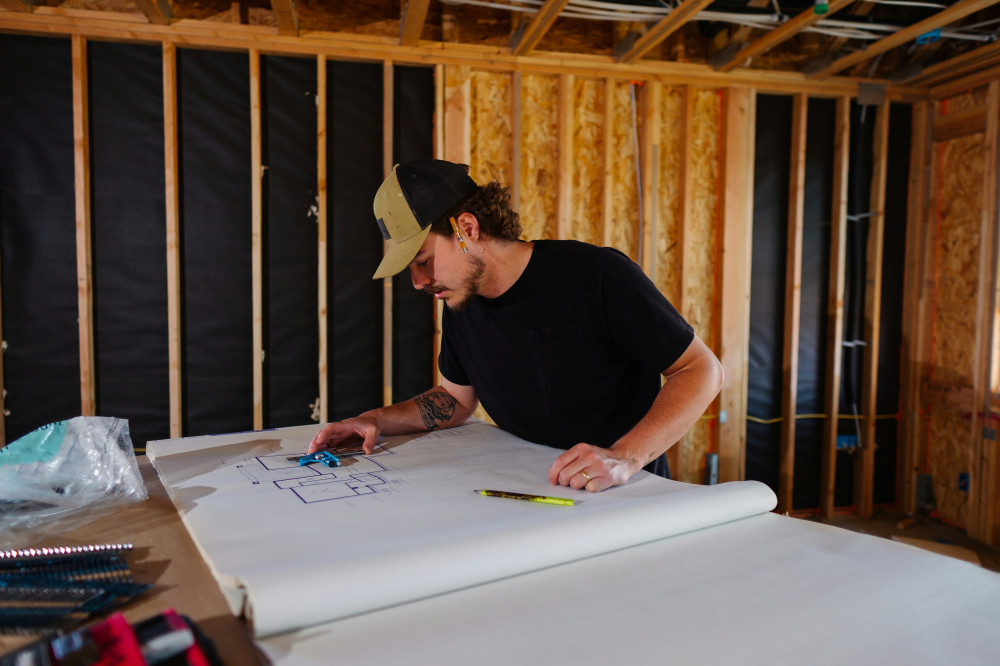
- Create a detailed project description that includes drawings, material preferences, and your desired timeline.
- Use the same description for every contractor so they’re all bidding on the same scope of work.
- Clarify responsibilities in advance—such as who will handle demolition, debris removal, or material purchases.
When all contractors base their bids on the same information, you can more easily see who’s offering the best value.
Review Each Bid Line by Line
Once you receive the bids, you may notice big differences in format and detail. Some contractors provide itemized estimates, while others give only a lump sum. To compare them fairly, you need to look closely at what’s actually included.
- Check whether materials are included. Some bids cover only labor, while others include materials, delivery, and installation.
- Ask about contingencies and change orders. Find out how the contractor handles unexpected work and what hourly rates apply if changes arise.
- Determine whether the price is fixed or an estimate. A fixed price offers more certainty, while an estimate may fluctuate as the project progresses.
Consider creating a simple spreadsheet listing key items from each bid. This visual comparison makes it easier to spot differences and hidden costs.
Pay Attention to Quality and Warranties
The lowest price isn’t always the best deal. Quality, experience, and warranty coverage can make a big difference in the long run.
- Review the quality of materials. Are specific brands, grades, or standards mentioned?
- Check the contractor’s experience with similar projects and ask for references.
- Ask about warranties and insurance. Make sure the contractor carries liability insurance and workers’ compensation, and find out what warranties apply to both labor and materials.
A bid that looks more expensive at first may actually save you money if it includes higher-quality materials, better workmanship, or stronger guarantees.
Compare Timelines and Communication
Time is another key factor. A low bid might not be worth it if the contractor can’t start for several months or finish on schedule.
- Review start and completion dates. Can the contractor meet your timeline?
- Evaluate communication. Do they respond promptly and clearly? Are they professional in their approach?
- Ask about staffing. How many workers will be on-site, and how will delays be handled?
A contractor who communicates clearly and sets realistic expectations is often a sign of a smoother, more professional project.
Get Everything in Writing—and Read It Carefully
Once you’ve chosen the best bid, make sure every detail is documented in writing. A clear contract protects both you and the contractor.
- Ensure the contract specifies the scope of work, total cost, payment schedule, and timeline.
- Include a process for handling change orders and approving any additional work.
- Keep copies of all correspondence, drawings, and receipts for your records.
A written agreement provides peace of mind and helps prevent misunderstandings as the project moves forward.
Læs også:
Trust Your Instincts—But Base Your Decision on Facts
While numbers and details matter, trust also plays a role. A contractor who makes you feel comfortable and communicates openly can be invaluable. Still, don’t rely on gut feeling alone—use it alongside a careful comparison of price, quality, and terms.
By combining clear information with sound judgment, you’ll be well equipped to choose the right contractor and ensure your construction project runs smoothly from start to finish.
Læs også: