The Construction Contract as Your Safety Net: How to Ensure Ongoing Follow-Up and Documentation

The Construction Contract as Your Safety Net: How to Ensure Ongoing Follow-Up and Documentation
Starting a construction or remodeling project—whether it’s building a new home, adding a deck, or renovating a kitchen—is one of the biggest investments many homeowners make. With so many moving parts, decisions, and professionals involved, a well-drafted construction contract is more than just a formality. It’s your safety net. It protects your interests, sets clear expectations, and provides a framework for communication and accountability throughout the project.
Here’s how to use your construction contract as an active tool for ongoing follow-up and documentation—so your project stays on track and your investment stays protected.
Why the Construction Contract Matters
A construction contract defines what work will be done, at what cost, and within what timeframe. It also outlines how changes will be handled, how payments will be made, and what happens if delays or defects occur.
Without a clear contract, misunderstandings can easily turn into costly disputes. With one in place, both you and your contractor have a shared reference point to guide decisions and resolve issues. A good contract isn’t just a legal safeguard—it’s a management tool that helps you maintain control and transparency throughout the process.
Læs også:
Start with a Clear and Realistic Agreement
Before any work begins, make sure your contract covers all essential details. In the U.S., homeowners often use standard forms such as those provided by the American Institute of Architects (AIA) or the Associated General Contractors of America (AGC). These templates are designed to balance the rights and responsibilities of both parties.
Pay special attention to:
- The project timeline – When will work start and finish? How will delays be handled?
- The payment schedule – When are payments due, and what milestones must be met before each payment?
- Change orders – How will changes to the scope or materials be approved and documented?
- Specifications and materials – What materials will be used, and what quality standards apply?
The more specific your contract is, the less room there is for confusion later. It may take extra time to get the details right, but that effort pays off once construction begins.
Ongoing Follow-Up: Your Best Protection
Construction projects evolve over time, and regular follow-up is key to keeping things on track. Many issues arise because small problems or changes aren’t addressed early enough.
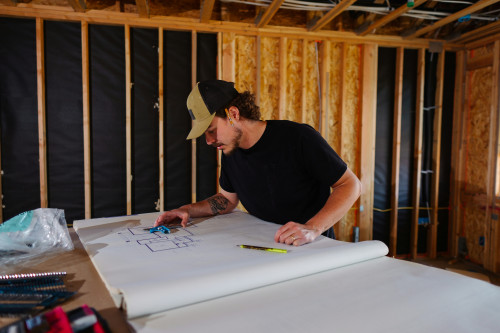
Schedule regular check-ins—weekly or biweekly—with your contractor to review progress. During these meetings, you can:
- Compare completed work to the contract and schedule.
- Discuss any changes and confirm them in writing.
- Take photos of the work as it progresses.
- Record notes or meeting summaries that both parties acknowledge.
This consistent follow-up helps you catch deviations early and ensures you have a clear record if disagreements arise later.
Documentation: Your Strongest Evidence if Problems Occur
When disputes happen, documentation often determines the outcome. Keep all written materials—contracts, emails, text messages, drawings, invoices, and photos—organized and accessible.
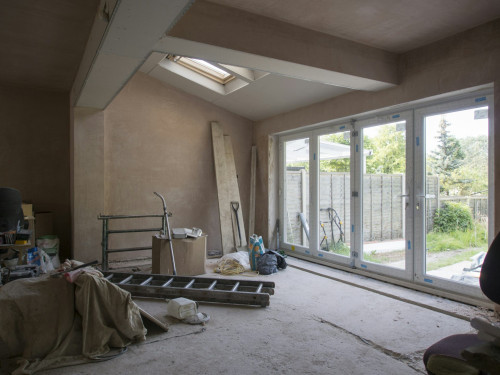
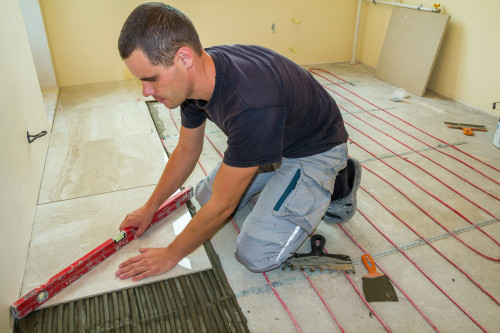
Take photos throughout the project, especially of work that will later be hidden, such as plumbing, wiring, or insulation. These images can be invaluable if issues surface after completion.
Consider using digital tools or apps to store and organize your documentation. Having everything in one place makes it easier to track progress, share information, and provide evidence if needed.
Managing Changes and Extra Work
Changes are almost inevitable in construction—whether due to design adjustments, unforeseen conditions, or new homeowner requests. The key is to handle them properly.
Always document changes in writing before the work is done. Each change order should specify:
- What the change involves.
- The cost and schedule impact.
- Who approved it and when.
Verbal agreements can easily lead to misunderstandings. A short written confirmation—by email or as a signed change order—is enough to ensure clarity and protect both parties.
Final Walkthrough and Completion
When the project is finished, conduct a final walkthrough with your contractor. Review the completed work, note any deficiencies, and agree on a timeline for corrections.
Hold back the final payment until all agreed-upon work is completed and any issues are resolved. This gives the contractor an incentive to finish properly and ensures you get the quality you paid for.
Also, keep copies of warranties, manuals, and maintenance instructions for materials and equipment. These documents can be crucial for future repairs or resale.
Building Trust Through Clarity and Communication
A construction contract is ultimately about creating trust and confidence. When expectations are clear and communication is documented, the working relationship becomes more professional and less stressful.
By treating your contract as a living document—one that guides follow-up, communication, and documentation—you strengthen your position as a homeowner. You’ll have greater peace of mind, better control over your project, and a much higher chance of ending up with a result you’re proud of.
Læs også: