Delays and Challenges in Construction: How to Manage Them Effectively

Delays and Challenges in Construction: How to Manage Them Effectively
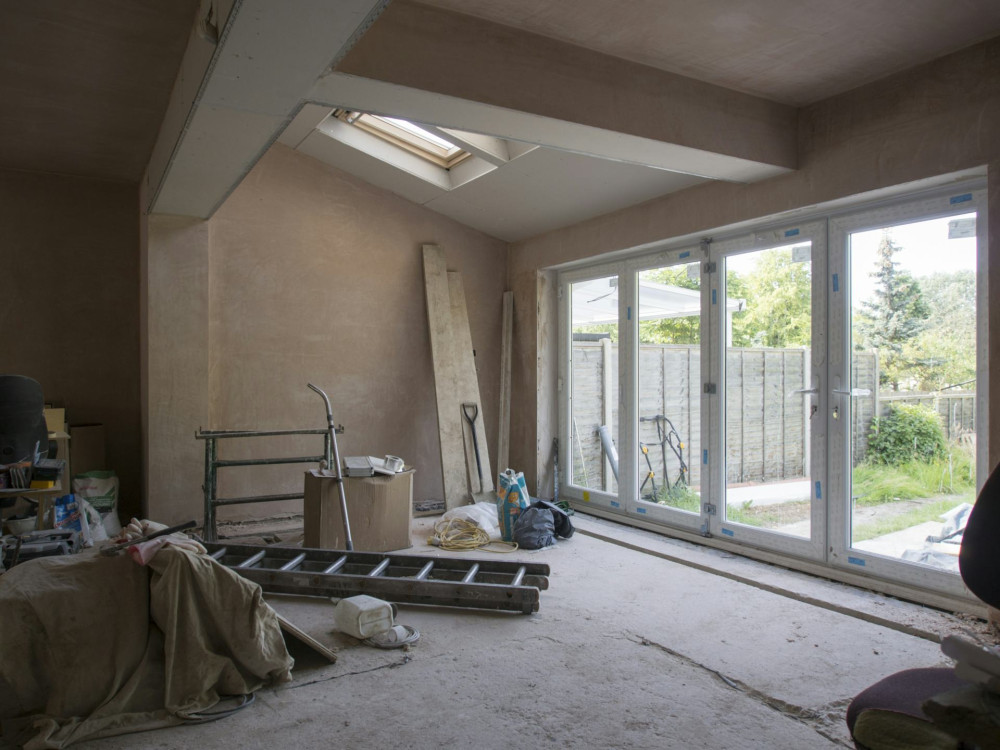
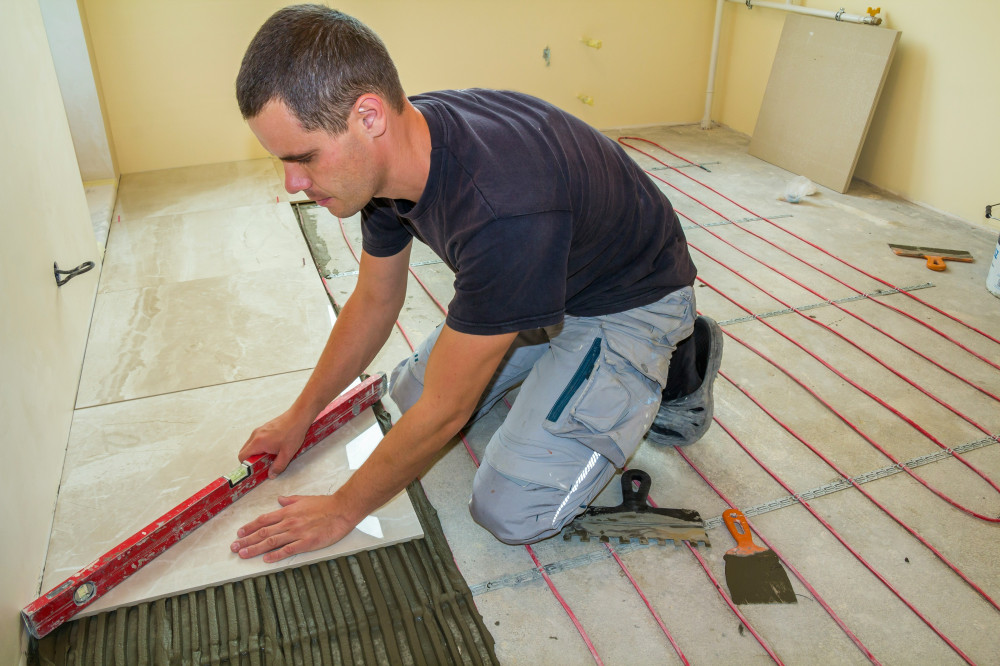
A construction project—whether it’s a home renovation or a large commercial build—is rarely a straight path from blueprint to completion. Unexpected events, supply chain issues, weather conditions, and design changes can quickly lead to delays and frustration. However, with proper planning, communication, and risk management, you can minimize setbacks and keep your project on track. Here’s a guide to managing delays and challenges in construction effectively.
Understand the Common Causes of Delays
Before you can prevent problems, it’s important to recognize the most frequent reasons construction projects fall behind schedule:
- Weather conditions – Heavy rain, snow, or extreme heat can halt outdoor work and affect timelines.
- Material shortages – Supply chain disruptions or price fluctuations can delay deliveries and increase costs.
- Design or scope changes – Even small adjustments to plans or materials can require new permits or additional time.
- Coordination issues – When contractors, subcontractors, and suppliers aren’t aligned, progress can stall.
- Unexpected site conditions – Hidden structural issues, soil problems, or errors in drawings can cause major setbacks.
Understanding these risks helps you plan more realistically and respond quickly when challenges arise.
Plan Realistically—and Build in Buffers
One of the most effective ways to handle delays is to include time buffers in your project schedule. Many owners underestimate how long each phase will take and how dependent tasks are on one another.
Work with your general contractor to create a detailed timeline that allows for unforeseen events. It’s always better to finish early than to explain why the project is late.
Consider hiring a construction manager or project consultant to oversee scheduling, budgeting, and quality control. Their expertise can often save time and money in the long run.
Læs også:
Communication Is Key
Poor communication is one of the biggest contributors to extended delays. Establish regular meetings or progress updates with your contractor to review the project’s status.
- Agree on how changes will be handled and documented.
- Put all decisions in writing—verbal agreements often lead to misunderstandings.
- Be transparent about challenges so they can be addressed before they escalate.
Clear communication builds trust and makes it easier to find solutions when things don’t go as planned.
Manage Changes Professionally
Changes during construction are almost inevitable, but they must be handled systematically. If you decide to switch materials, move walls, or add new features, these adjustments can affect both the schedule and the budget.
Always create a change order that outlines what the modification involves, how much it costs, and how it impacts the timeline. This protects both you and the contractor from disputes later on.
Know Your Rights and Responsibilities
If delays become significant, it’s crucial to understand the legal framework of your contract. In the United States, most construction agreements are governed by state contract law and may reference industry standards such as AIA (American Institute of Architects) contract documents.
Review your contract carefully to see how delays are defined, what qualifies as an excusable delay (like severe weather), and when you may be entitled to liquidated damages—a financial remedy for missed deadlines. If you’re unsure, consult a construction attorney to clarify your rights and obligations.
Learn from the Process
Even the best-planned projects encounter obstacles. What matters most is how you handle them—and what you learn for next time. Take note of what worked well and what could have been improved. This reflection will give you a stronger foundation for future projects.
Delays are rarely avoidable altogether, but with solid planning, clear agreements, and consistent communication, you can prevent them from turning into major problems. Construction isn’t just about materials and machinery—it’s equally about collaboration, expectation management, and patience.
Læs også: